
In-depth Guide to Siding Replacement
Unlike fresh paint or landscaping, deciding to replace your home’s siding is a long-term commitment that you may have to live on for several years to come. So, when you’re preparing for siding replacement, it’s essential to choose the suitable siding materials, design, color, contractor, and season of the year to install your siding. Nothing is more embarrassing than exterior siding that is needed for repair. Good-looking siding helps you enjoy and pride yourself in a beautiful home whenever you pull into your drive or have friends and family over.
Making the wrong decisions while installing your siding can lose money and cause headaches, especially if you’re trying to sell your home.
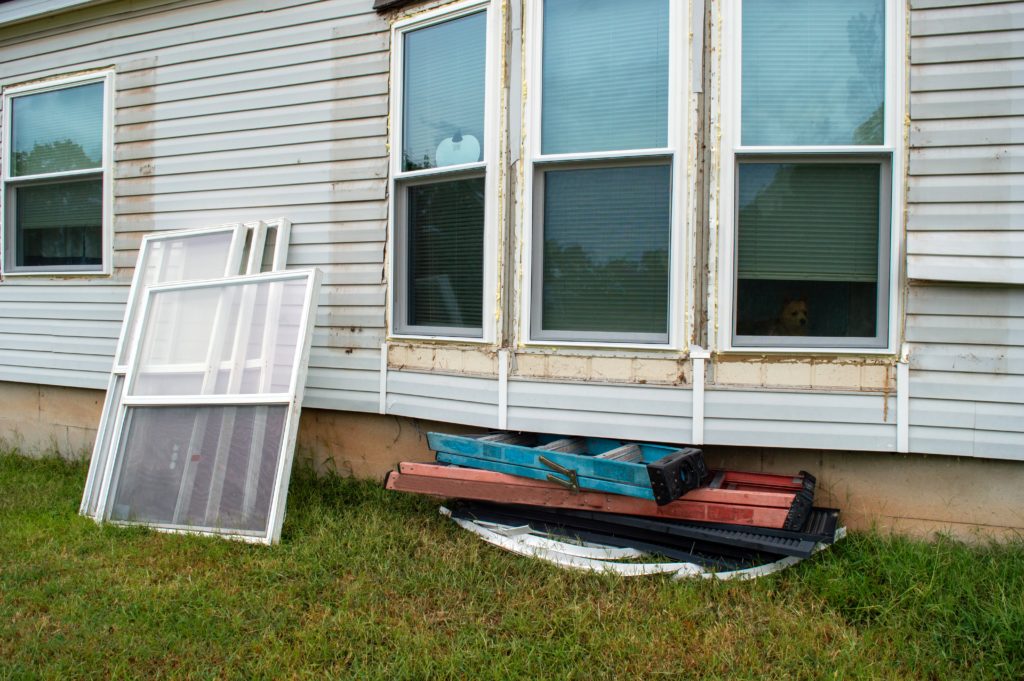
What do you need to consider when replacing your siding?
While considering new siding for your home, it is essential to determine whether it needs to be repaired or replaced entirely. If your siding has minor cracks or hail damage, repairs from a professional siding contractor may be all that’s necessary. However, if your home’s siding has significant cracks that have been there for a while, various elements, including water, may have worked their way underneath, requiring replacement.
It is also essential to consider the age of your siding. When your home’s siding is over 30 years old, it can become brittle and prone to cracking. Costs associated with regular minor repairs can quickly add up over time, and such maintenance may also hurt the property’s aesthetic appeal.
What are cheap alternatives to siding when thinking about siding replacement?
Vinyl
Vinyl ranks as one of the most common siding materials in the US primarily because it is relatively durable, visually appealing, and affordable.
However, other siding materials may be more suitable for your home. Although most are typically more expensive than vinyl, they make up for the additional costs in value, aesthetic appeal, and durability.

Fiber cement
Fiber cement is gaining popularity mainly despite being more expensive than other siding options because it is sturdier, highly durable, resistible to combustion, and aesthetically appealing.
Stucco
Stucco is particularly popular in the southwestern part of the United States because it works well in dry and warm climates. Its distinct look adds character to any home due to eh wide variety of colors available. Stucco is made from cement, sand, lime, and water.
Faux stone or natural stone
These options are trendy because they can add beauty to any home’s exterior. Stone is one of the most weather-resistant materials. However, it can be difficult and costly to install compared to other siding options.
Faux stone is a more affordable and green alternative that can create the look of natural stone.

Brick
Brick is not only a more durable siding option, but it also creates a very distinct appearance, as is common in many English or colonial homes. Despite high resistance to the elements, brick installation is labor-intensive and costly.
Aluminum
Aluminum is a more affordable alternative to other types of siding, including vinyl siding. However, it is essential to keep in mind that it is less durable, and it does not do much to increase your curb appeal.
Wood
Wood siding is touted by most homeowners mainly because it provides more of a classic, natural look to your home. Moreover, it may last for many generations but may require occasional repainting and sealants to protect it from termites, mold, and mildew.
Does replacing siding increase home value?
New siding can be a wise investment in adding resale and overall value to your home. In addition to increasing resale value, new siding will also boost your home’s curb appeal and make it more energy-efficient.
Can I replace my siding myself?
While considering whether or not to hire a professional siding contractor, it is essential to consider whether you have experience tearing down, working, repairing, and replacing siding. Can you identify water damage, pest damage, and mold? Do you know how to rectify these problems and work around obstacles like windows and doors? If your answer to any of these questions is “no,” you should consider hiring a professional siding contractor.
